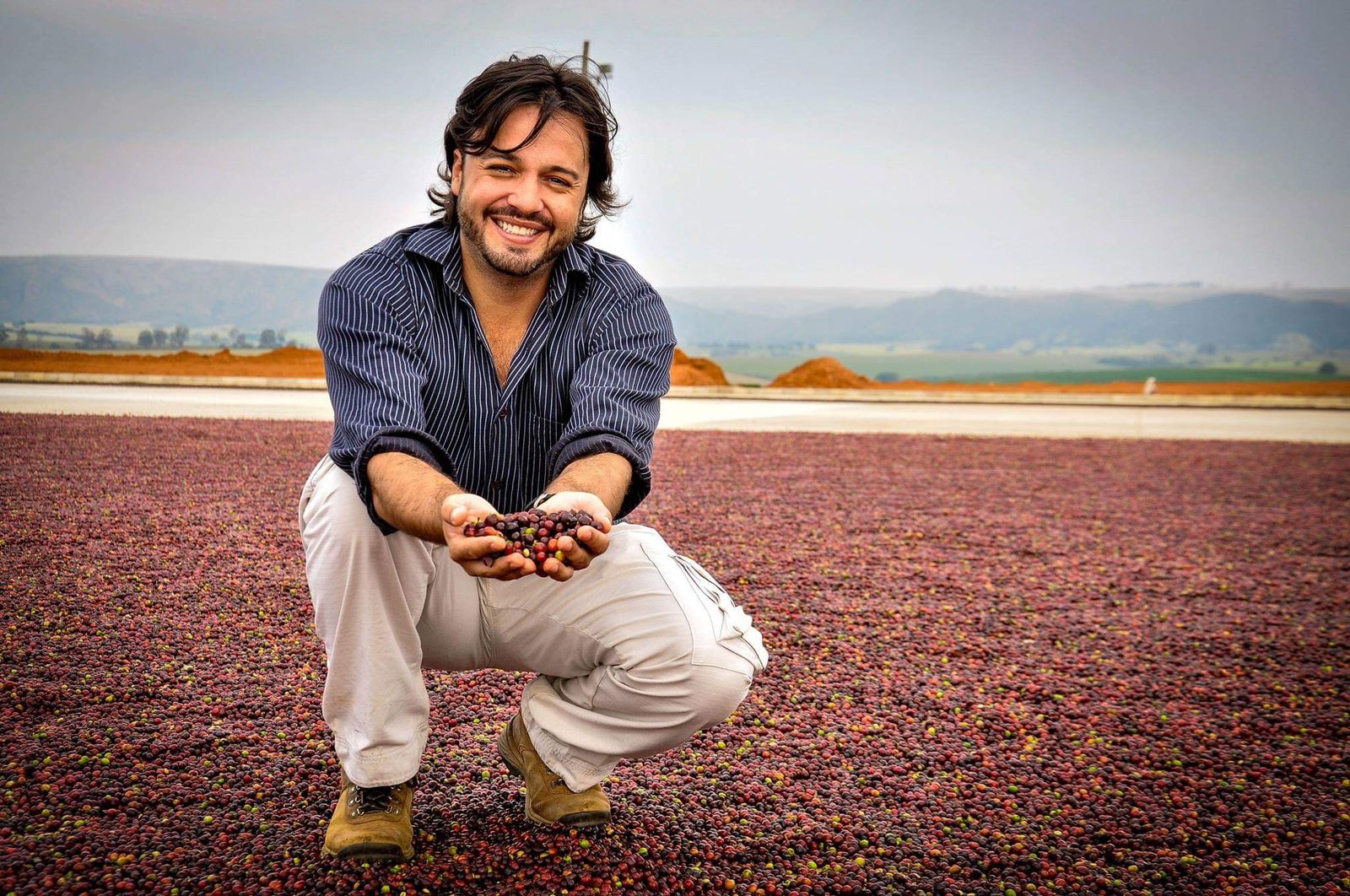
Driven by a commitment to outstanding specialty coffees for customers worldwide, our Brazilian operations are led by Head of Coffee, Junior Cardoso, based in London. As a Brazilian native, Junior brings deep cultural understanding and origin expertise, ensuring quality, traceability, and full transparency throughout the supply chain.
He is supported by an experienced team in Vitória (ES) and Varginha (MG), working closely with more than 280 producers across the Cerrado, Mantiqueira, and Sul de Minas regions.
Together, we champion sustainable farming practices, amplify producers’ stories, and foster responsible direct trade relationships that promote fair and sustainable livelihoods.

Fazenda Sequoia, renowned for its award-winning microlots, was founded in the 1970s in Chapada de Minas, southern Minas Gerais. In 2012, a new chapter began under the leadership of the Lima brothers — Pedro, Paulo, and Vicente — alongside producer Nicinha Mendes, whose family coffee legacy dates back to the 1960s.
This lot reflects Nicinha’s dedication and passion. She carefully oversees every stage of production, respecting the land while pursuing exceptional quality. Today, Fazenda Sequoia is a leader in sustainable coffee production. Of its 3,906 hectares, 2,194 hectares are preserved — a protected area larger than the coffee fields themselves.
The farm is certified raiforest, with 53 distinct plots, cultivating diverse Arabica varieties and hybrids, producing expressive cup profiles such as Amarelao, Yellow Bourbon, Gesha, and others.


Barinas Farm, located in Brazil’s Cerrado region, brings together history, culture, and innovation in modern coffee production. Its name pays tribute to the indigenous Araxás people and the meaning “where the wind blows strongest.” Over the years, the farm has become a reference point for progressive coffee farming through continuous investment in technology, infrastructure, and advanced agricultural management.
The farm cultivates varieties including Topázio, Catucaí 2SL, Yellow Bourbon, and Catuaí 144, processed through natural, fermented, and pulped natural methods. These processes are carefully managed to enhance sweetness, structure, and complexity in the cup while preserving the character of the Cerrado terroir.
Barinas Farm is Carbon Neutral certified through CarbonTrack and holds Regenagri certification, reflecting its strong commitment to regenerative agriculture. Through ongoing initiatives focused on soil restoration, biodiversity protection, and carbon balance, the farm demonstrates how environmental stewardship can be integrated with high-quality coffee production.
Sustainability practices include smart water management systems with real-time monitoring, designed to optimize water usage and maximize reuse during post-harvest processing. Additional carbon-neutral initiatives — including reforestation programs, spring preservation, and detailed carbon inventories — support soil regeneration and emissions reduction, reinforcing Barinas Farm’s role as a leader in sustainable coffee production.
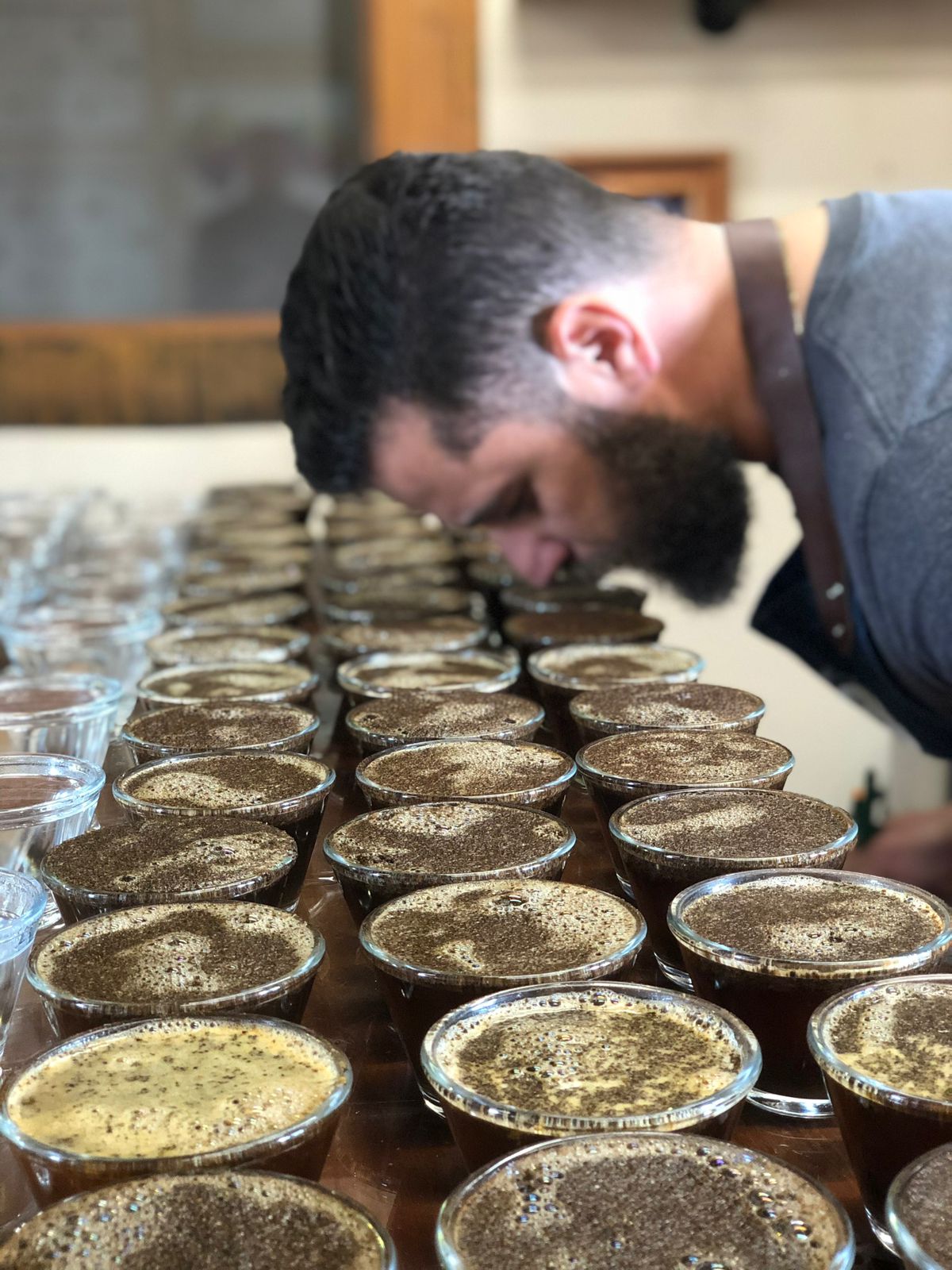
Fazenda IP is a traditional specialty coffee farm located in Carmo de Minas, in the highly regarded Mantiqueira de Minas region. Acquired by the Pereira family in 1967, the farm has been led for decades by Luiz Paulo Dias Pereira, who combines deep-rooted coffee knowledge with a continuous drive for quality improvement and innovation. Spanning approximately 720 hectares — with around 300 hectares dedicated to coffee cultivation — the farm sits at elevations ranging from 950 to 1,200 meters above sea level.
Fazenda IP cultivates classic Brazilian varieties including Catuaí, Catucaí, Acaia, Yellow Bourbon, and Red Bourbon. A wide range of processing methods — natural, pulped natural, anaerobic, washed, and honey — cup profiles, often featuring notes of milk chocolate, honey, and exotic fruit.The farm’s commitment to excellence is reinforced by recognized certifications such as Cafe Practices, Certifica Minas, and AAA, reflecting strong standards in quality, sustainability, and farm management.


Based in São Gonçalo do Sapucaí, Minas Gerais, APASCOFFEE was created from a collective vision to improve coffee quality, empower farmers, and promote sustainable production. The journey began in 2006 with the Association of Producers from Alto da Serra (APAS), and in 2019 evolved into the APASCOFFEE Cooperative, marking a new stage focused on traceability, innovation, and high-quality specialty coffee.
Today, APASCOFFEE represents a new generation of producers committed to quality and sustainable development. The cooperative holds Fairtrade International certification, ensuring ethical production practices and fair compensation for its 96 member farmers, reinforcing its commitment to responsible trade and rural community development.
Sustainability is also at the core of APASCOFFEE’s initiatives. Through its Organic Coffee Project, the cooperative supports producers transitioning from conventional to organic farming, promoting healthier soils and ecosystems. In addition, the Solidarity Garden Project provides fresh produce to local schools, reflecting the cooperative’s broader commitment to environmental responsibility and community well-being.
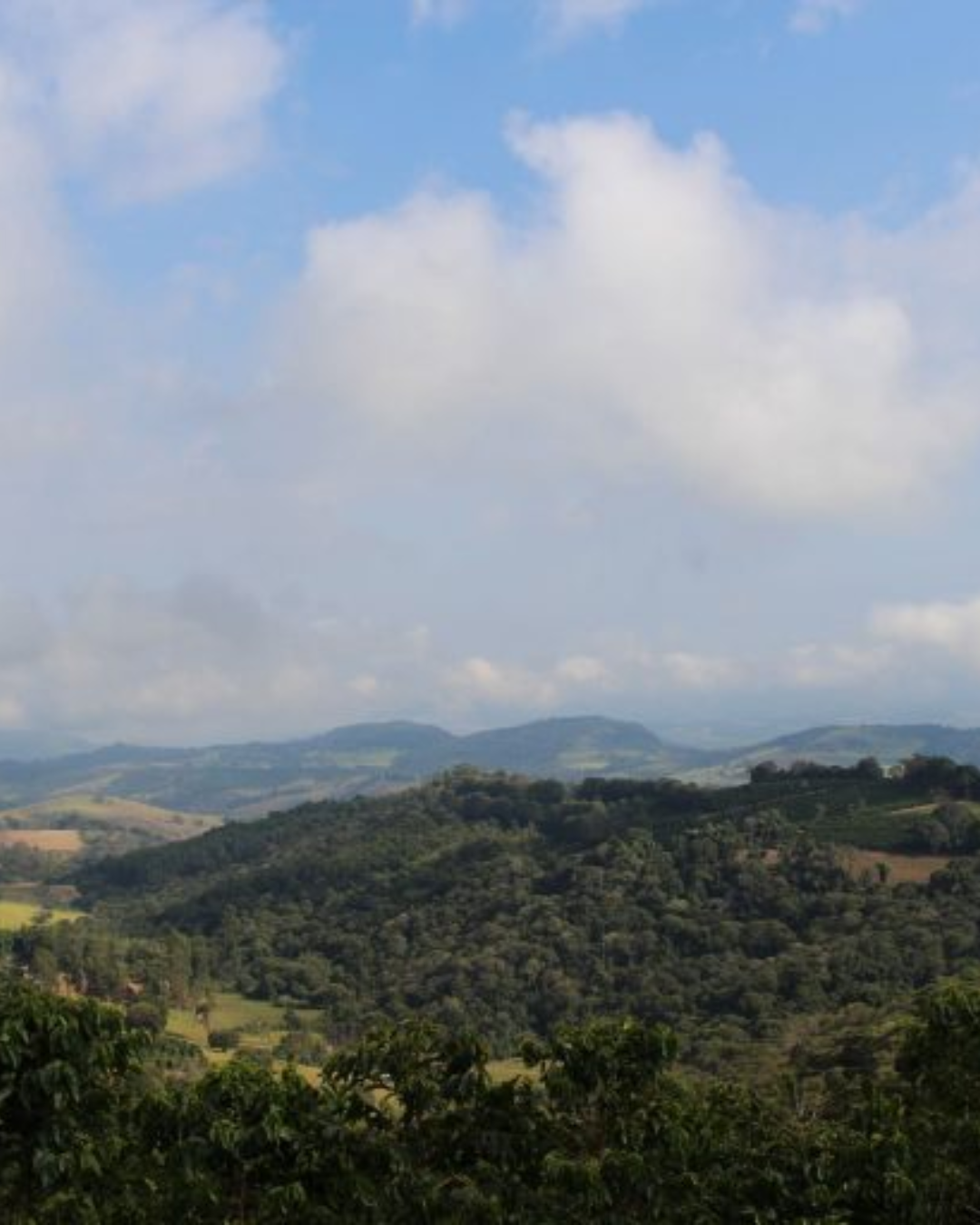
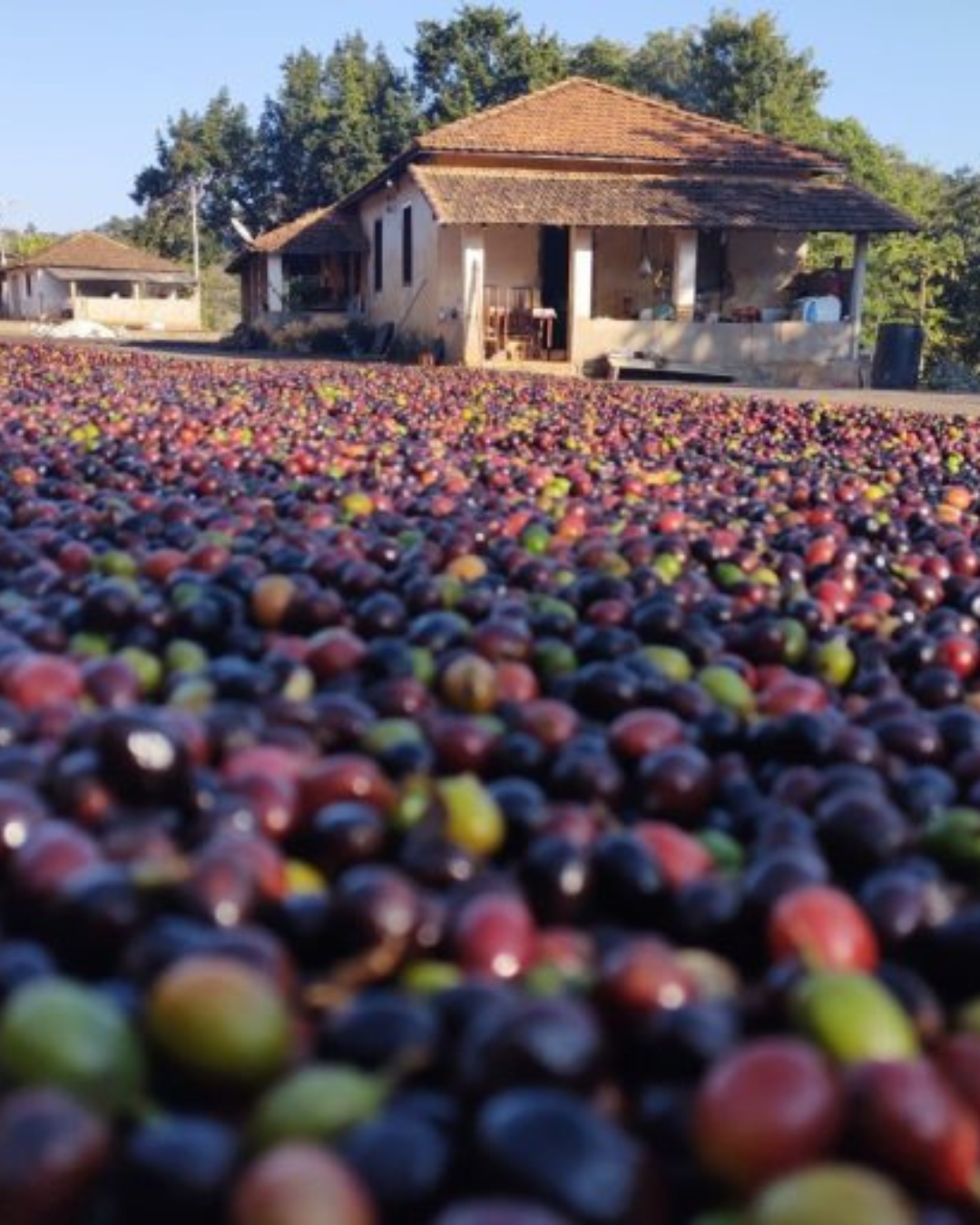
COOPFAM (Cooperativa dos Agricultores Familiares de Poço Fundo e Região Ltda) is a Fairtrade and Organic cooperative based in Poço Fundo, Minas Gerais.
Founded in the late 1980s by family farmers committed to ethical and sustainable production, the cooperative today represents hundreds of smallholder producers dedicated to high-quality coffee cultivation.
Coffees are typically grown at elevations between 1,000 and 1,300 meters, where mineral-rich soils and favorable climate contribute to vibrant acidity, sweetness, and complex flavor profiles. COOPFAM has become a strong example of how organized smallholder farmers can access specialty markets while improving their livelihoods.
The cooperative places strong emphasis on Fairtrade and Organic production, environmental responsibility, social development, and full traceability across its supply chain. Through community projects and educational initiatives, COOPFAM supports the well-being of farming families and promotes long-term sustainability.
COOPFAM coffees are produced under internationally recognized certifications including Fairtrade, EU Organic, USDA Organic, Brazil Organic (Produto Orgânico Brasil), Canada Organic, JAS (Japan Organic), CERES, and IBD Organic Certification. These standards ensure responsible agricultural practices, environmental protection, and fair compensation for farmers while strengthening transparency throughout the coffee supply chain.

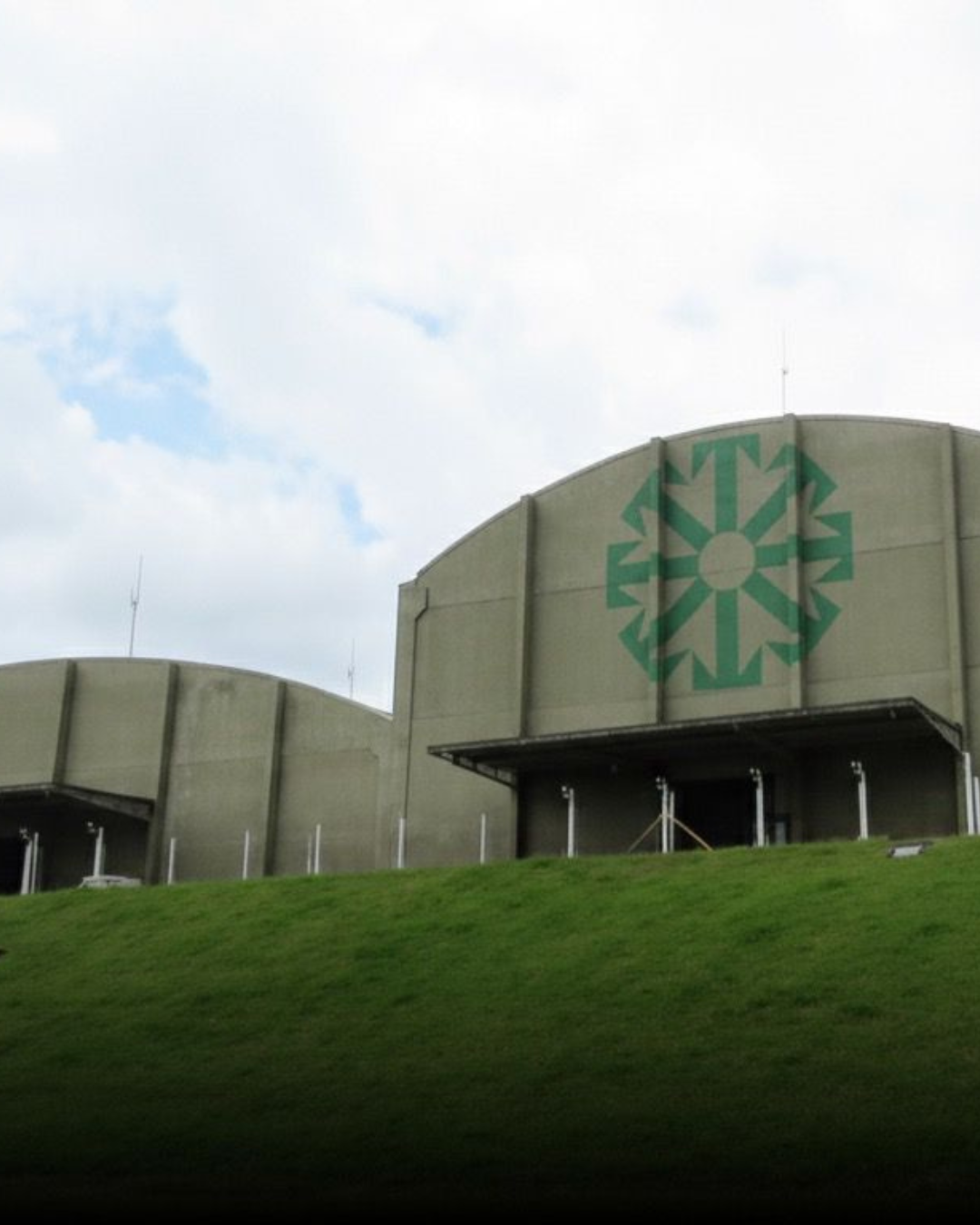
Founded in 1935, Tristão brings nearly a century of expertise in Brazilian coffee. Headquartered in Vitória, Espírito Santo, the company works with hundreds of producers across Brazil, combining traditional farming knowledge with modern processing, traceability, and quality control systems.
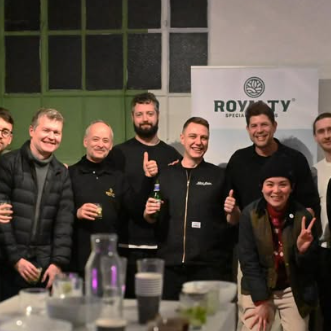
Royalty Coffees acts as the logistics and distribution partner for Tristão, offering coffees on FCA and SPOT terms with customs-cleared availability for roasters and buyers across the EU and the USA.
With a vertically integrated structure — from cherry reception and dry milling to warehousing and export preparation — Tristão ensures consistency, transparency, and reliable supply. Through this partnership, Royalty Specialty Coffees manages logistics and distribution, making Brazilian coffees readily available to roasters with efficient supply chains from origin to warehouse to roaster.
Qualities Offered
* Good Cup – Screen 14/16 to 17/18
* Fine Cup – Screen 17/18 (Cerrado & South Minas)
* Conilon / Robusta Neutral – Screen 14/15/17
Infrastructure
*Central Processing & Warehouse – Viana (Espírito Santo)
*Capacity for over 300,000 bags (60 kg) with humidity-controlled storage, dry milling, grading, and export preparation.
Annual Export Capacity
*Approximately 1.3 million bags per year FOB basis
*Regional Reception Units – Minas Gerais.
Facilities across Cerrado and South Minas manage coffee intake, classification, and preparation aligned with international export standards.